
 (209) 878-7320
 info@sureguardmattress.com


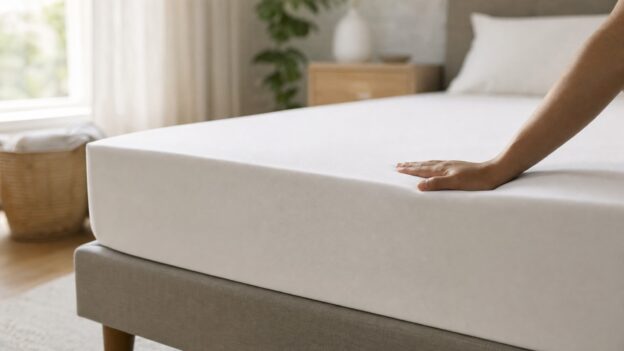
A new mattress is a real investment. Protecting it takes more than throwing down any old sheet. You need a barrier that fits precisely, blocks contaminants, and keeps the comfort of your sleep surface intact. Choosing the right full size mattress cover means understanding specific dimensions, material technologies, and warranty requirements so your bedding stays clean and functional for years.
Understanding Full Size Mattress Cover Dimensions
Getting the size right is the first step toward real protection. A cover that shifts or bunches can’t guard against spills and allergens. A standard full size mattress measures 54 inches wide by 75 inches long, while a Full XL extends to 80 inches to accommodate taller sleepers or adjustable bases.
Standard Full vs. Full XL Measurements
Confusing these two sizes is a common error, and it leaves either the foot of the bed exposed or excess fabric pooling under you. Measure your actual mattress before buying. Manufacturers sometimes deviate slightly from nominal dimensions, and pillow tops can change the effective surface area. Buy a standard full size cover for a Full XL mattress, and the protector will pull taut across the top and likely pop off the corners during the night.
Measuring Depth for a Secure Fit
Depth matters as much as length and width for keeping the protector anchored through movement and laundering. Measure from the bottom edge of the mattress foundation to the highest point of the sleeping surface, including any integrated pillow tops or attached padding. If you plan to place the protector over a separate mattress topper rather than directly on the mattress core, account for that thickness too.
A cover with too little depth struggles to grip the corners and may pop off when you sit on the edge of the bed. Too much depth creates loose fabric that wrinkles under your sheets and disrupts sleep comfort. Look for products that list a maximum pocket depth, so you know the cover will hold your complete sleep system without tension or slack.
Key Features of a Quality Full Size Mattress Protector
The best protection feels invisible while it does demanding work against liquids and microscopic irritants. Your full size mattress protector should combine absorbent natural fibers with advanced backing technology, so you get comfort and security together.
Waterproof Barriers Without Plastic Noise
Modern waterproofing relies on specialized membranes that block liquid molecules while letting air vapor pass through freely. That breathability stops the heat buildup and moisture trapping that plagued older vinyl protectors, so your sleep temperature stays regulated through the night. The membrane bonds to a cotton terry surface that absorbs spills instantly, so liquid doesn’t pool or run off the edges onto your floor or bed frame.
You deserve protection that doesn’t announce itself with crinkling every time you shift position. Cotton terry mattress protector benefits include silent operation and a soft texture that keeps the original feel of your mattress, rather than a synthetic barrier between you and your bed. Protecting your investment shouldn’t cost you sleep quality.
Hypoallergenic Materials for Sensitive Sleepers
Allergy sufferers need barriers that stop allergen buildup without introducing chemical irritants into the sleep environment. Hypoallergenic materials create an impermeable shield against dust mites, pet dander, and mold spores that would otherwise colonize the porous foam and fiber layers of your mattress. A physical barrier like this beats periodic cleaning, which can’t reach allergens embedded deep in the mattress core.
Certifications That Matter for Indoor Air Quality
Third-party testing gives you objective proof that safety claims go beyond marketing language. According to UL Solutions, GREENGUARD Gold certification requires products to meet strict chemical emissions limits, which supports healthier indoor air for sensitive individuals like children and asthma sufferers. The standard tests for thousands of volatile organic compounds and confirms the protector won’t off-gas harmful substances into your bedroom over time.
Certified products go through regular retesting to maintain compliance. That’s ongoing assurance, not a one-time promise. When you’re choosing bedding protection for vulnerable household members, that independent validation offers peace of mind an unverified product can’t.
Encasements vs. Protectors: Choosing the Right Style
Different threats call for different defenses, and knowing the difference prevents costly mismatches between what you need and what you buy. Both options shield your mattress, but they serve different purposes with different maintenance demands.
When to Use a Zippered Encasement
Six-sided encasements fully envelop the mattress with a zippered closure that seals every entry point against bed bugs and severe allergen infiltration. This full coverage is typically required for warranty validation against pest infestations, and it’s the only reliable defense against colonies establishing themselves inside your mattress core. For detailed guidance on selecting the right bed bug covers, look at resources that address pest-specific sealing and zipper security.
Encasements stay installed for extended periods and are built to withstand years of continuous use without removal. That permanence makes them ideal for long-term structural protection, but less convenient for routine spill cleanup than fitted alternatives.
Benefits of Fitted Sheet Style Covers
Fitted protectors offer more convenience for daily use and frequent laundering, while still delivering strong waterproof and hypoallergenic protection against common household hazards. The elasticized skirt allows quick installation and removal, which makes weekly washing practical and encourages consistent hygiene. This style handles accidental spills, sweat, and surface allergens that build up through normal sleep activity.
Fitted protectors work best as part of a layered defense: an encasement handles deep structural threats, and the fitted layer manages day-to-day contamination. Together, they cover both without asking you to sacrifice either.
Health and Warranty Protection Benefits
Your mattress is a substantial financial commitment, and it deserves active protection against both biological contaminants and warranty-voiding damage. Effective protection does both jobs at once, and each reinforces the other over the product’s lifespan.
Blocking Dust Mites and Allergens
Microscopic pests thrive in the warm, humid environment inside an unprotected mattress, where they feed on shed skin cells and multiply fast. An impermeable barrier starves existing populations and blocks new colonization by cutting off the food source and shelter they need. For comprehensive criteria on choosing an effective dust mite mattress cover buying guide, look for specs on pore size, fabric density, and independent allergen-blocking test results.
Vacuuming alone can’t remove allergens embedded deep in foam layers, where dust mites set up permanent colonies. Only a sealed barrier stops this internal contamination from building up and affecting your respiratory health over years of exposure.
Preserving Your Mattress Warranty
Most mattress warranties explicitly state that liquid damage or staining voids coverage, which makes a waterproof barrier essential for protecting your investment. Even a minor spill can penetrate the mattress surface and leave a permanent mark, and manufacturers cite that as grounds for denying warranty claims. This exclusion applies whether or not the stain affects mattress performance. It turns cosmetic damage into financial loss.
A quality protector works like insurance. It costs a fraction of replacement expenses while keeping you eligible for warranty coverage throughout ownership. Documenting your protector purchase and maintaining it per the care instructions strengthens your position if you ever need to file a claim.
Care Instructions for Long-Lasting Durability
Proper maintenance extends your protector’s lifespan and preserves the waterproof integrity that gives it value. Follow the manufacturer’s guidelines and the membrane will keep performing through hundreds of wash cycles without breaking down.
Wash your protector in cool or warm water with mild detergent. Avoid bleach and fabric softeners, which can break down the waterproof membrane over time. Tumble dry on low heat only, since high heat can melt or delaminate the backing layer and compromise liquid resistance. Remove it promptly when dry to prevent wrinkling and reduce wear from extended tumbling.
Regular cleaning prevents oil and residue from building up to the point where they overwhelm the membrane’s capacity and reduce effectiveness. Treat stains promptly with gentle spot cleaning before machine washing. That keeps appearance and function intact without harsh chemicals that speed up wear.
Common Mistakes When Buying Bedding Protection
Avoiding predictable errors saves money and frustration, and it makes sure your purchase actually delivers the protection you expect. Many buyers focus on price alone and miss the factors that determine real-world performance and longevity.
Ignoring Fabric Composition
Vinyl and pure plastic covers trap body heat, create noise, and degrade fast, cracking and peeling after repeated washing. These materials may offer waterproofing at first, but they fail to deliver the breathability and durability you need for long-term sleep comfort and protection. Cotton-backed alternatives with modern membranes outperform them on every metric that matters for nightly use.
Check product specs carefully to confirm natural fiber surfaces and advanced backing technology. Don’t assume all waterproof protectors perform the same. Material composition determines whether your protector improves or degrades your sleep.
Overlooking Warranty Terms
The length and terms of a protector’s warranty signal how much confidence the manufacturer has in its own durability. A short warranty often signals expected failure within months or a couple of years, while decade-long coverage suggests engineering built to match mattress lifespans. Review the warranty exclusions to see what maintenance requirements or usage conditions could void coverage before problems come up.
Comparing warranty terms across products shows true value better than the sticker price alone, once you work out cost per year of reliable protection. A protector that lasts ten years at a moderate cost beats one that needs replacing every year at a lower price each time.
Why SureGuard is Trusted by Millions
Choosing bedding protection means trusting a product to perform invisibly for years without fail. SureGuard has been manufacturing premium bedding protection products since 2013, serving millions of customers over more than a decade with consistent quality. That track record reflects engineering decisions proven through real-world use, not just lab simulations.
SureGuard products have earned an average rating of 4.6 out of 5 stars across more than 45,000 customer reviews. That volume of verified feedback gives you statistical confidence that goes beyond individual testimonials. When you choose a full size mattress protector backed by that record, you’re joining buyers who’ve already put the product’s claims to the test through years of nightly use.
Every SureGuard full size mattress protector carries a 10-year warranty, reflecting confidence in materials and construction that shorter guarantees can’t match. Combined with GREENGUARD Gold certification for indoor air quality, that warranty turns your purchase from a speculative expense into a calculated investment in long-term sleep health and mattress preservation. Rest Assured with SureGuard.

