
 (209) 878-7320
 info@sureguardmattress.com


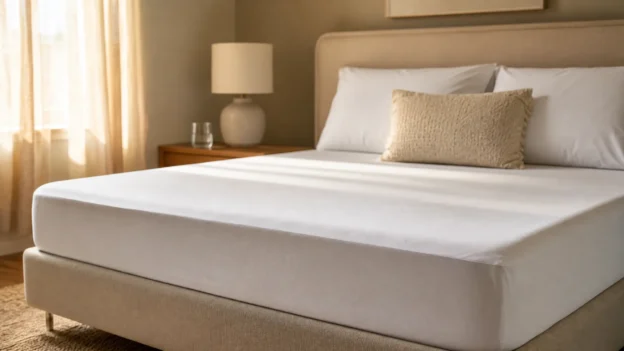
A full size mattress rarely belongs to just one person. It’s the guest room bed, the tween’s first “big kid” bed, or the mattress a student hauls off to a dorm. More than one sleeper, sometimes an unfamiliar one, ends up on it. That means a full size mattress protector has a slightly different job than protecting a primary queen or king bed. This guide covers exact dimensions, fit, and the certifications worth checking before you buy.
Why a Full Size Mattress Protector Matters
Full and queen mattresses look similar on a showroom floor. But they serve different rooms and different sleepers, and that changes what you need from a protector.
Who Sleeps on Full Size Beds: Guest Rooms, Kids, and Dorms
Full size mattresses remain a common choice for guest rooms, tween and teen bedrooms, and first dorm setups. In each case, multiple or unfamiliar sleepers raise the odds of spills, allergens, and accidents. A guest room bed sits empty most of the year, then hosts a rotating cast of visitors. A kid’s bed deals with snacks, pets, and the occasional nighttime accident. A dorm mattress arrives at college with an unknown history and gets used hard for months.
None of these beds get the daily attention a primary mattress does. That’s why they need reliable, certified protection instead of a bargain sheet from the discount aisle.
Waterproof Protection vs. Hypoallergenic Protection
A mattress protector for a full size bed usually does two jobs at once, though they’re worth separating. Waterproof protection stops spills, sweat, and accidents from soaking into the mattress. Hypoallergenic protection blocks dust mites, dander, and other allergens from building up inside it.
A full size mattress protector waterproof in design keeps liquid on the surface. A full size mattress protector hypoallergenic in construction seals out the microscopic irritants that trigger allergies and asthma. The best products handle both. The sections below explain how to tell whether a given protector actually delivers on each claim.
Full Size Mattress Protector Dimensions and Fit
Getting the dimensions right matters more than most shoppers expect. A protector that’s even an inch off in width or depth will bunch, shift, or pop off the corners of the bed.
Full Mattress Protector Dimensions Explained
A full, or double bed, mattress measures approximately 54 inches by 75 inches. That’s several inches narrower than a queen’s 60 by 80 inches. So a queen protector won’t seat correctly on a full-size bed. Depth is the other variable. Standard mattresses run 9 to 12 inches deep, while pillow-top or memory-foam models can run deeper. That’s where deep-pocket sizing comes in.
Full mattress protector dimensions should always list both the flat 54×75 footprint and the depth range the elastic or skirt fits. If a listing only gives length and width, ask about depth before you buy.
Full Size vs. Queen Mattress Protector: Don’t Get These Confused
Full and queen sizing is one of the most common mix-ups in mattress shopping. The two sizes are close enough to look interchangeable at a glance, but they aren’t. A full size vs queen mattress protector mismatch means the protector either won’t stretch over the corners or will hang loose and bunch under a sleeper.
If you’re outfitting a household with both sizes, check the label on every package before checkout. Our queen size mattress protector guide can help confirm the right fit if you’re comparing sizes side by side. But when the mattress is 54×75, only a true full size protector actually fits as a double bed mattress protector.
Deep Pocket vs. Standard Fit for Full Size Mattresses
Depth, not just length and width, is where fit problems usually start. A standard-fit protector is built for mattresses up to about 12 inches deep. A full size mattress protector deep pocket version is cut with extra fabric and stretch to wrap mattresses with pillow-tops, toppers, or thicker foam layers, often up to 18 inches or more.
A standard-fit protector on a deep mattress stretches too tight. That shortens its lifespan and can pull it loose overnight. A deep-pocket protector on a thin mattress usually still works, since most are cut with stretch-to-fit corners, but check the minimum depth listed first.
How to Measure Your Mattress Before Buying
A few minutes with a tape measure saves a return later. Before you order, run through this checklist:
- Measure width and length across the top of the mattress, not the box spring.
- Measure depth at the corner, including any attached pillow-top.
- Add the height of any mattress topper you use regularly, since the protector needs to clear it too.
- Compare your total depth number against the protector’s listed range, not just its size name.
- When your depth falls near the top of a standard-fit range, size up to deep pocket to be safe.
Waterproof and Hypoallergenic Features to Look For
Not every protector marketed as “waterproof” or “hypoallergenic” backs up the claim with independent testing. Two features are worth checking specifically.
GREENGUARD Gold Certification and Dust Mite Defense
GREENGUARD Gold certification, administered through UL’s GREENGUARD program, verifies that a product meets strict limits on chemical emissions, including limits set with sensitive populations like children in mind. For a mattress protector, that matters because the fabric sits directly against skin for hours every night.
Beyond emissions, look for a weave tight enough to block dust mites and their waste, one of the most common indoor allergy triggers. A dust mite mattress cover buying guide breaks down the weave and membrane details that separate real dust mite barriers from protectors that only claim to be one. For allergy-prone households, a best mattress protector for allergies comparison is a useful next stop too.
Cotton Top Surface vs. Vinyl or Plastic Covers
The surface material affects comfort as much as protection. A cotton-top protector with a waterproof membrane underneath feels and breathes like ordinary bedding, so most sleepers don’t notice it’s there. Vinyl and plastic covers tend to crinkle with movement, trap heat, and feel noticeably different from sheets.
The drawbacks of plastic mattress covers go beyond comfort, too. Plastic layers can degrade faster and off-gas more than certified cotton-top alternatives. For a bed that guests or kids sleep on regularly, that comfort difference often decides whether the protector stays on the bed at all.
Full Size Mattress Protectors for Guest Rooms, Kids, and Dorm Life
The use cases named earlier, guest rooms, kids’ rooms, and dorms, share a common thread. Each puts the mattress in front of sleepers the owner can’t fully monitor or control. A waterproof, hypoallergenic protector is cheap insurance against the wear that comes with that kind of use.
Guest rooms benefit from protection that sits invisibly under the sheets, since most hosts don’t want visitors to feel like they’re sleeping on a hospital bed. Kids’ rooms benefit from waterproofing that handles both spills and occasional accidents. Dorm mattresses benefit from a protector that can go on, and come off, easily each semester without needing special care.
Encasement vs. Protector: Which Fits Full-Size Bed Bug or Allergy Concerns
A standard protector covers the top and sides of the mattress, which handles spills and everyday allergen buildup. A full mattress encasement wraps and zips around all six sides, sealing the mattress completely.
That distinction matters most in dorms and rentals, where bed bug risk runs higher because mattresses pass through many hands and buildings. It also matters for severe dust mite or allergy sensitivity, since an encasement blocks allergens already living inside an older mattress, not just new exposure. If either concern applies, a full size mattress encasement is the safer choice over a top-only protector. For everyday spill and allergen protection without a bed bug risk, a standard protector is usually enough.
Choosing and Caring for Your Full Size Mattress Protector
Once you’ve settled on size, depth, and coverage type, a short checklist keeps the final decision simple.
Warranty and Certification Checklist Before You Buy
Before checkout, confirm the protector covers these points:
- Correct full size dimensions (54×75 inches) with a depth range that matches your mattress.
- GREENGUARD Gold certification for low chemical emissions.
- A waterproof barrier that’s also breathable, not a stiff plastic layer.
- Machine-washable care instructions, so it can be cleaned as often as regular bedding.
- A warranty length that reflects the manufacturer’s confidence in the product.
SureGuard’s full size mattress protector carries a 10-year warranty and GREENGUARD Gold certification, the same standard used across the brand’s queen and king protectors. SureGuard has made waterproof, hypoallergenic bedding protection since 2013, building its lineup, from crib to California king, around the same certified, cotton-top construction. SureGuard products also hold an average 4.6 out of 5 star rating across more than 45,000 reviews on Amazon, reflecting consistent trust from millions of households.
For a guest room, a kid’s growing bed, or a mattress headed to its first dorm, that combination of certified materials and a long warranty means one less thing to worry about. Rest Assured with SureGuard.

