
 (209) 878-7320
 info@sureguardmattress.com


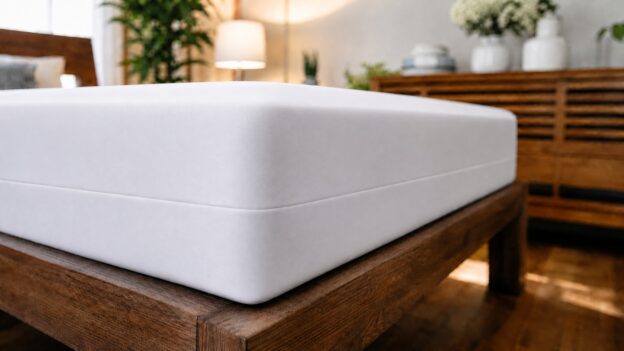
Protecting your home from bed bugs takes more than reactive cleaning. It takes a system that covers the entire sleeping environment. Bed bug covers are the first line of defense, but they only work if you pick the right ones and use them consistently across every part of the bed. This guide walks through the complete process, from how these covers actually work to how long to leave them on, so you invest in something that genuinely protects your family’s health and your furniture.
How Bed Bug Proof Covers Work to Interrupt the Life Cycle
Good pest management builds physical barriers that disrupt biology, not just chemical treatments that miss hidden populations. To protect your sleep space from a persistent infestation, you need to understand what actually separates a real encasement from ordinary bedding.
Encasement Mechanics vs. Standard Protectors
Standard mattress protectors usually cover only the top and sides, leaving the bottom exposed and offering no defense against pests entering from below. True bed bug proof covers work as a six-sided barrier, sealed shut by a secure zipper. Nothing gets in or out. That distinction matters because bed bugs exploit even microscopic gaps to set up harborage deep inside bedding, where sprays never reach. What actually works for bed bug proofing always means full encapsulation, not partial coverage.
Trapping Existing Infestations Inside
A good encasement does two jobs at once: it blocks new bugs from getting in, and it traps whatever’s already living in your mattress or box spring. Once sealed inside, those bugs can’t reach a host for a blood meal. That starves them out. Your bedding stops being a breeding ground and becomes a sealed trap, buying time for treatment to work on the surrounding room without the bed reinfesting it. The seal has to hold, and you have to be patient.
Building a Complete Bed Bug Protection System for Beds
Cover only the mattress and you leave the other harborages wide open, which undoes the whole strategy. A real defense covers every part of the bed where pests hide near a food source, so there’s no gap in the perimeter.
Why Box Spring Covers Are Non-Negotiable
Box springs are full of internal voids and fabric folds, exactly the kind of dark, undisturbed space bed bugs prefer. Colonies can thrive there, inches from where you sleep, and plenty of homeowners never think to cover it. Box spring encasements close that gap and stop pests from migrating up through the frame into a mattress you’ve already protected. Skip this step and mattress-only protection isn’t really protection.
The Role of Zippered Pillow Encasements
Pillows sit against your face and neck, which makes them prime territory for a bug looking for a quick blood meal. Zippered pillow protectors closes off that last hiding spot near the host and cuts down on bite exposure. Without them, bugs can hold a foothold in your bed even with the mattress and box spring fully sealed. Pillows are the last gap in the system, and they’re worth closing.
Mattress Encasement vs. Mattress Protector
Shoppers often mix up waterproof protectors with certified encasements, but they’re not the same thing. A protector guards against spills and stains. A zippered mattress encasement is built with bite-proof fabric and a secure zipper designed to stop insects specifically. If you’re buying mattress covers specifically for bed bugs, check that the listing says “bed bug proof,” not just water-resistant or allergen-blocking. That one check prevents a bed that looks protected but isn’t.
How Long to Leave Bed Bug Covers On for Maximum Effectiveness
Time is the active ingredient here. Pull the cover off early and you’ve defeated the whole point of putting it on. How long you hold the seal decides whether this works or just delays the same problem.
Starvation Timelines for Trapped Pests
Bed bugs can survive without feeding for several months, sometimes over a year, depending on temperature and humidity. That’s why long-term encasement matters: cooler rooms slow their metabolism and let nymphs and adults hang on far longer than most people expect. A one-year minimum retention period isn’t arbitrary, it reflects the outer range of how long bed bugs can starve under typical indoor conditions.
Risks of Removing Encasements Too Early
Unzip the cover before that starvation window closes and you can release survivors and restart the whole infestation from inside your own bed. Even a quick peek risks breaking the seal, or missing eggs that hatch after you’ve opened it. Treat the encasement as permanent for at least twelve months. Don’t check on it, don’t wash what’s underneath, until the timeline is done. Acting early is the most common way an otherwise sound plan fails.
Critical Features of Effective Zippered Bed Bug Encasements
Not every product sold as a “protective cover” actually meets the standard needed to contain or exclude bed bugs. The construction details separate what works from what just sounds like it works.
Secure Zipper Technology and Bite-Proof Fabrics
The zipper is the weak point in any encasement, so a well-built one uses reinforced tracks and a locking mechanism to stop bugs from squeezing through the teeth. The fabric itself has to resist biting too, since some bugs can probe through thin material and feed without ever getting inside the encasement. Look for products specifically tested for bite resistance and zipper integrity. Not every zippered cover performs the same way once a colony is actively hunting for a host.
GREENGUARD Gold Certification and Material Safety
You’ll be in prolonged contact with this fabric for at least a year, so it matters what it’s made of. GREENGUARD Gold certification means a product meets strict limits on chemical emissions, which supports healthier indoor air during that extended exposure. That third-party check matters especially for kids’ rooms or anyone sensitive to off-gassing from uncertified synthetics.
SureGuard products carry a 10-year warranty and have earned more than 45,000 reviews on Amazon, averaging 4.6 stars.
What Bed Bug Covers Cannot Do: Managing Expectations
An encasement contains and prevents. It doesn’t exterminate a room-wide infestation on its own. Furniture, baseboards, outlets, and carpet still need professional treatment or thorough cleaning alongside the bedding work. Cover the bed and ignore the rest of the room, and you’ll fail no matter how good the product is. Encasements are one piece of an integrated plan, not a substitute for treating the whole room.
Caring for and Inspecting Bed Bug Covers Over Time
Keeping the barrier intact for the full retention period means careful washing and regular checks for damage. Neglect it and you won’t know something’s wrong until the infestation’s already back.
Safe Washing and Drying Practices
Wash encasements to the manufacturer’s instructions, with mild detergent, and skip the bleach and fabric softener, both degrade the waterproof bite-proof membrane. High heat damages the membrane, so tumble dry on low or air dry instead. Never iron the fabric directly; localized heat creates weak spots pests could eventually get through. Proper laundering keeps the cover working for years.
Routine Inspection for Tears and Zipper Integrity
Check seams, corners, and zipper tracks once a month for rips, punctures, or a seal that’s starting to fail. Pay extra attention wherever the encasement rubs against the bed frame or headboard, since that friction wears fabric down quietly. Patch minor damage right away with a manufacturer-approved kit, or replace the unit if you’re not sure it still holds, because partial protection isn’t protection. Regular checks are what turn a cover you installed once into protection that actually lasts the full retention window.
Health Benefits Beyond Pest Prevention
A good encasement also blocks allergens like dust mites and pet dander, and it guards against spills. That means the value doesn’t disappear once the pest threat is gone, since it keeps supporting hygiene and protecting the mattress underneath through daily use. For families dealing with allergies or asthma, that alone can justify the purchase, pest problem or not. See allergen and dust mite defense for more on how these barriers support respiratory health in your home.

