
 (209) 878-7320
 info@sureguardmattress.com


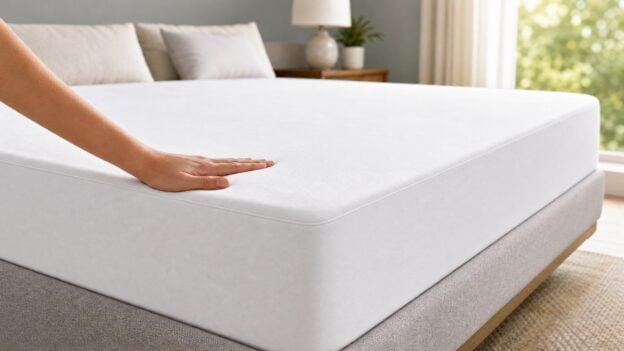
A king mattress is a big investment, and daily wear can compromise both hygiene and warranty coverage fast. Picking the right king mattress cover isn’t just about keeping the surface clean. It’s a maintenance step that preserves the mattress underneath while guarding your family’s health against allergens and moisture. Real protection comes down to material specs, sizing, and certification standards, not generic descriptions or the lowest price tag.
Why a King Mattress Cover Is Essential for Bedding Longevity
A king-size mattress is a serious financial commitment, and it needs defense against spills, stains, and biological contaminants to hold its value. Most manufacturers void their warranty if the bed shows staining or liquid damage, so one accident could cost you thousands in replacement fees. Sweat, oils, and spills break down foam and fabric far faster than ordinary wear, which is why you need a reliable barrier.
Hygiene matters just as much. Accumulated organic matter breeds bacteria and mold deep inside the mattress core, where cleaning can’t reach. A good protector takes the abuse of nightly use so the mattress underneath stays clean for its full working life.
Key Features of an Effective King Mattress Protector
Not all covers perform the same, and telling marketing claims apart from real specifications is what separates actual protection from a thin sheet. The best products balance impermeability with comfort, backed by material engineering and third-party safety testing.
Waterproof Barriers vs. Breathable Fabrics
Waterproof technology has moved past the noisy plastic sheets of the past. Modern covers protect silently without changing how the mattress feels. The flagship SureGuard protector has a pure cotton top surface that stays soft and breathable while remaining 100% waterproof, so liquids never reach the mattress below. That balance matters: heat retention is the top complaint about inferior protectors, and a non-breathable membrane will make even the best cooling mattress sleep hot.
Look into the benefits of cotton terry fabric when you compare options. The texture absorbs moisture quickly and lets air circulate while the backing blocks liquids entirely. A protector that trades breathability for total waterproofing often ends up sitting in a closet unused, because it messes with sleep temperature.
Hypoallergenic Materials and Certifications
Chemical safety matters as much as the physical barrier, especially for children or sensitive sleepers who spend eight hours a day in contact with the material. GREENGUARD Gold certification means the product meets strict limits on chemical emissions for indoor air quality, so no harmful volatile organic compounds off-gas into your bedroom. That’s independent testing, not a hypoallergenic label a manufacturer applied to itself.
When shopping, check that any health claim comes from recognizable third-party testing rather than manufacturer self-certification. A waterproof king size mattress protector with verified credentials gives you peace of mind that unverified alternatives can’t match.
Understanding King Size Dimensions and Fit Types
Buying the wrong size is the most common reason people return a cover or end up unhappy with it, because king dimensions vary between standards and fit styles change what protection you actually get. Measure your mattress depth before ordering, including any pillow top. Standard pocket depths often don’t fit thicker luxury models, and that means corners popping off in the middle of the night.
Standard King vs. California King Sizing
Mixing these two up causes fit failures immediately, since the two sizes have different proportions despite the similar name. A standard king mattress cover measures 76 inches wide by 80 inches long, giving couples maximum width for horizontal sleeping space. A California king measures 72 inches wide by 84 inches long instead, trading four inches of width for extra length that suits taller sleepers.
Confirm your exact mattress dimensions before you buy, since labeling isn’t always consistent across retailers. For detailed specs and fit guidance, check our comprehensive king size cover types resource to avoid a costly sizing mistake.
Fitted Sheet Style vs. Zippered Encasement
Choosing between fitted and encasement styles comes down to your protection needs and how much installation hassle you’re willing to deal with. Fitted sheet style protectors cover only the top and sides, so they’re easy to pull off and wash weekly with your regular linens. They handle surface spills and stains well, but the bottom of the mattress stays exposed.
Zippered encasements seal all six sides, creating a barrier against bed bugs and dust mites living inside the mattress. Check the bed bug proof encasement requirements if you live somewhere prone to infestations or you’re already dealing with one. They’re harder to install, but encasements cover ground fitted styles simply can’t.
Health Benefits of Certified Allergen Defense
Allergens build up inside mattress cores over years, creating reservoirs of irritants that trigger symptoms even after you’ve cleaned the surface. A sealed barrier stops these particles from getting into the mattress in the first place. That’s a different job than trying to remove them after the fact.
Dust Mite and Pet Dander Protection
Dust mites feed on dead skin cells shed during sleep, and they thrive in the warm, humid environment inside an unprotected mattress. The effectiveness of dust mite barriers comes from blocking mites’ access to their food source and keeping their waste particles from escaping into the air. Pet dander is a similar problem: microscopic proteins settle deep into fabric layers where vacuuming can’t reach them.
You can’t remove allergens from a mattress once it’s contaminated, so prevention through a sealed cover is the only strategy that works. Families with allergy sufferers often notice symptoms ease within weeks of adding a certified allergen-blocking protector.
Mold Prevention Through Moisture Control
Mold needs moisture to grow, and perspiration adds real humidity to mattress materials every night. In humid climates or poorly ventilated bedrooms, that moisture builds up and gives mold spores a place to germinate inside the core. A waterproof barrier stops liquid at the surface, so the interior stays dry and inhospitable to fungal growth.
That same moisture control also stops the musty odors that come with damp bedding. A dry sleep surface protects your breathing and keeps the mattress from rotting underneath you.
Care Instructions to Extend Cover Lifespan
Washing your cover the right way keeps the waterproof membrane intact, which is what makes the protector work at all. Wash your king mattress cover in cool water separately, and skip bleach or fabric softeners, since both wear down the polyurethane barrier over repeated cycles. Tumble dry on low heat or line dry it. High heat can crack or peel the waterproof backing and ruin its liquid protection.
Treat stains right away with mild detergent rather than harsh chemicals that attack the membrane. Follow these steps and your protector should perform for its full warranted lifespan instead of failing early from bad laundering habits.
Evaluating Value: Warranties and Customer Trust Signals
Price alone tells you nothing about long-term value. Cheap protectors often fail within months and need replacing again and again. Real value shows up in durability and in verified customer experience across thousands of households.
What a 10-Year Warranty Covers
A decade-long warranty signals that the manufacturer trusts its material durability and seam construction to handle the stress points of king-size bedding. SureGuard has manufactured premium bedding protection since 2013, and it backs its products with a 10-year warranty covering defects in workmanship and waterproof performance. That kind of commitment points to real testing and quality control, the sort shorter warranties usually skip.
A warranty protects your investment against early failure, and it’s the manufacturer putting its money behind its own engineering claims.
Interpreting Review Ratings and Volume
A high volume of consistent ratings tells you something real about performance across different households and habits. SureGuard products hold an average rating of 4.6 out of 5 stars across more than 45,000 customer reviews, which is a large enough sample to mean something. Any single testimonial can be cherry-picked, but tens of thousands of verified purchases reveal genuine quality trends that marketing copy can’t fake.
Read the negative reviews too. They usually tell you more about a product’s real limitations than the aggregate score does.
Common Mistakes When Buying King Bedding Protection
Chasing the lowest price over certified safety standards exposes your family to untested materials and protection that fails exactly when you need it. Plenty of shoppers skip the depth measurement and end up with a cover that won’t fully wrap a thicker mattress, leaving edges open to liquid and allergens. Others assume all waterproof protectors breathe the same way, then find out too late that theirs traps heat and wrecks sleep quality.
A king mattress cover won’t fix sagging or make an old mattress more comfortable. It’s strictly a protective barrier that preserves what’s already there. Skipping third-party certifications to save a few dollars risks chemical emissions in your bedroom or a cover that isn’t genuinely waterproof at all. Check the dimensions, confirm the certifications, and read the warranty terms before you commit, so the cover you pick actually protects the investment you made in the mattress.

