
 (209) 878-7320
 info@sureguardmattress.com


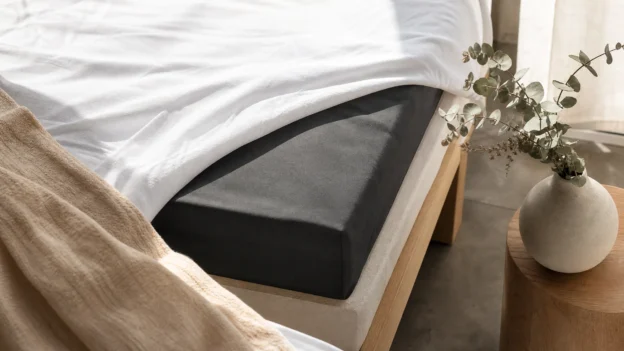
Searching for waterproof sheets often turns up two different products that get lumped together. Many shoppers assume they have to choose between crinkly, plastic-like linens or leaving their mattress open to spills and allergens. Modern textiles offer a third option that keeps both comfort and hygiene intact. Understanding the difference between an all-in-one waterproof sheet and a separate barrier system helps you protect your family’s health without giving up sleep quality.
Defining Waterproof Sheets and Common Misconceptions
Waterproof sheets are usually fitted sheets with a liquid barrier laminated to the underside, one layer trying to do two jobs: sleeping surface and shield. A layered system works differently. A waterproof mattress protector sits beneath your regular cotton or bamboo sheets and handles moisture on its own, separate from the fabric you actually touch.
Most people mix up these two approaches because marketing rarely draws a line between standalone waterproof bedding and protectors built for invisible performance. A fitted waterproof protector under regular sheets is usually the better, more breathable solution for spills and allergens than a standalone waterproof sheet. Search results tend to treat them as interchangeable, when they’re really complementary pieces of the same bed system.
That mixed-up terminology matters. The wrong choice can cost you either protection or comfort, depending on what you actually need. So it’s worth being clear on your priority: simpler laundry with an all-in-one product, or better durability and airflow with separate layers.
Waterproof Sheets vs Mattress Protector: Key Differences
The real difference comes down to how each product balances liquid resistance against breathability, noise, and wear. Dedicated protectors use membrane technology built specifically for barrier performance. Waterproof sheets have to split the difference between comfort and moisture-blocking in a single layer doing double duty.
Breathability and Sleep Temperature
Integrated waterproof sheets trap body heat, since the barrier sits directly against your skin with almost no air gap. Protectors do better here: the barrier sits beneath a breathable cotton or terry surface that wicks moisture away while letting the mattress underneath ventilate through the night.
That temperature difference shows up most in warmer months, or for hot sleepers who wake up damp on coated sheets. Splitting the two functions lets each material do its job instead of forcing one fabric to handle both.
Noise Levels and Texture
Older waterproof bedding earned its bad reputation from crinkly vinyl coatings that broadcast every movement. Modern polyurethane membranes have cut down a lot of that noise, though they still can’t match the quiet of a protector tucked beneath ordinary linens.
The texture gives it away fast if you’ve ever slept on a budget waterproof sheet that feels slick or rubbery despite a “cotton-blend” label. The drawbacks of plastic mattress covers go beyond sound, there’s also the plain discomfort of knowing you’re lying on a functional barrier instead of a fabric made for comfort.
Durability and Washing Frequency
Coated waterproof sheets wear out faster. The barrier takes direct friction from body movement, plus repeated detergent and high-heat drying that breaks down waterproofing over time. A quality mattress protector holds up longer because it takes less mechanical stress, and it needs washing less often since spills have to get through your regular sheets first.
That gap adds up in replacement costs and waste over the years. Waterproof sheets may need replacing every eighteen months to two years with regular washing. Certified protectors routinely keep working for a decade or more under the same conditions.
When Waterproof Bed Sheets for Adults Are Necessary
Standalone waterproof bedding fits specific situations where fast full-bed changes matter more than comfort. These are exceptions, not the standard case. Knowing when waterproof sheets genuinely beat a protector-and-sheet combo saves you from paying for compromised sleep when layered protection would serve you better.
Managing Incontinence and Medical Needs
Severe incontinence that requires multiple bed changes a night is a real reason to use waterproof sheets, pulling off one fitted sheet is faster than stripping both a top sheet and a separate protector during an urgent cleanup. Caregivers managing medical conditions accept the less comfortable sleeping surface for the sake of a simpler laundry routine.
In these cases, reliable containment matters more than anything else, which makes the durability and comfort trade-offs worth it. If you’re caring for someone through a recovery period or a chronic condition, treat waterproof sheets as medical equipment, not everyday bedding.
Temporary Spill Protection Scenarios
Short-term situations, potty training, a sick pet, hosting guests with young kids, sometimes call for waterproof sheets even though they’re not the best long-term value. Quick changes during an unpredictable accident phase can justify keeping a set in rotation alongside your regular bedding.
Once that risk period passes, going back to a dedicated protector under comfortable sheets restores your usual sleep quality without giving up spill protection. Different life stages call for different setups. That doesn’t mean permanently changing your whole bedroom.
Critical Features in Hypoallergenic Waterproof Sheets
If you care about allergies, check that any “hypoallergenic” claim rests on third-party certification, not marketing language. Dust mite barriers and chemical safety claims need documented proof, because allergic reactions respond to actual material composition, not reassuring words on a package.
Certified Safe Materials and Barriers
GREENGUARD Gold certification means waterproof bedding has passed testing for volatile organic compound emissions and chemical off-gassing that could trigger asthma or allergy symptoms. That matters because the waterproof layer sits close to your face for eight hours a night.
SureGuard mattress protectors have a pure cotton top surface, a 10-year warranty, and GREENGUARD Gold certification, documented proof that the hypoallergenic claim holds up to independent testing. When you’re looking at any waterproof bedding, treat an uncertified hypoallergenic claim as marketing copy until you see the test documentation.
For more on picking allergy-defense bedding backed by real certification, see our guide to the best mattress protector for allergies.
Cotton Surface vs Synthetic Blends
A pure cotton top surface absorbs moisture and regulates temperature better than a polyester blend, which traps humidity against your skin even if it feels smooth at first. The benefits of cotton terry mattress protectors include natural fiber breathability that no synthetic waterproof sheet can match, whatever the thread count claims.
Cotton also tolerates multiple washes without wrecking the waterproof membrane underneath. Synthetic-blend waterproof sheets tend to pill, go stiff, or pick up permanent odors after repeated washes, problems cotton surfaces shrug off over years of use.
Evaluating Value: Cost Per Use and Warranty Coverage
Price tags mislead you here, because the sticker price ignores how often you’ll replace the product and how it performs over time. Real value means dividing purchase price by expected lifespan in wash cycles, not assuming cheaper upfront means cheaper overall.
A quality mattress protector with a decade-long warranty costs less per use despite the higher price, since it keeps working through hundreds of wash cycles that would wreck a coated sheet. SureGuard mattress protectors carry a 10-year warranty, a length waterproof sheet makers rarely offer, because their products aren’t built to last that long.
Review volume is another good proxy for real-world durability, since thousands of purchases reveal wear patterns that lab testing misses. Over 45,000 customer reviews on Amazon.com give SureGuard products an average 4.6 out of 5 stars, which points to consistent satisfaction across a lot of different households.
Millions of customers have trusted SureGuard since 2013 for combining certified quality with accessible pricing, a track record newer brands simply haven’t had time to build. That kind of history says something about manufacturing consistency and customer service, both of which matter when you need bedding to perform for years.
Choosing Noiseless Waterproof Sheets for Comfort
Polyurethane membranes have largely done away with the crinkling that plagued old vinyl waterproof bedding, though separated barrier systems still win on true silence. Look for products that name the actual membrane type rather than a bare “noiseless” claim with no technical backing.
Polyurethane barriers stay flexible across temperatures and resist stiffening after washing, so they stay quiet over time, unlike cheaper coatings that get louder with age. Even so, any membrane on the sleeping surface makes some sound. A protector buried under cotton sheets is genuinely silent, because there’s no direct contact.
The best way to check is to combine the spec sheet with the return policy, so you can test the feel at home before committing. Recent reviews that mention noise levels specifically tend to be more current than manufacturer descriptions, which can lag behind formula changes.
Making the Right Choice for Your Household
Base your decision on your household’s actual risk, your laundry capacity, and what you want from a night’s sleep, not whichever product ranks first in a search. Most families do best pairing a certified waterproof queen size mattress protector with the sheets they already like, which gets them solid protection without giving up the feel of quality linens.
That layered setup breathes better, lasts longer, and sleeps quieter than a standalone waterproof sheet, with the same spill and allergen defense built in through separate engineering. Our guide to spill and allergen defense covers why splitting the functions tends to outperform a single integrated product.
Save waterproof sheets for real medical needs or short, high-risk stretches where fast changes are worth the comfort trade-off, then switch back to a protector-based setup once that need passes. That way you’re not over-buying for a niche situation, and you’re not under-protecting for the everyday one.
Rest assured with SureGuard: certified protection under sheets you already love is the reliable way to protect your mattress and your sleep for years to come.

