
 (209) 878-7320
 info@sureguardmattress.com


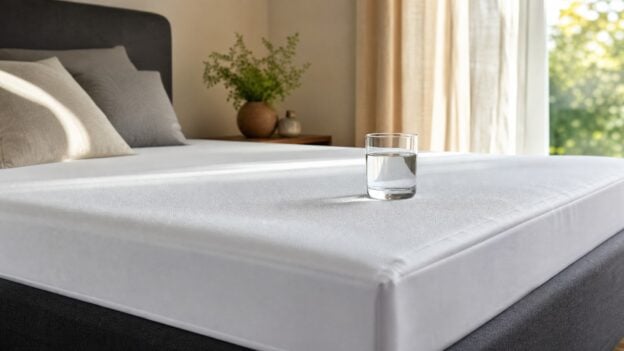
Searching for a plastic mattress protector usually means you want absolute waterproofing. What you probably dread is the crinkling noise and trapped heat that come with traditional vinyl. Many shoppers use “plastic” as a catch-all term for any waterproof bedding layer, but the material underneath varies a lot between old-school vinyl sheets and modern breathable membranes. Knowing the difference stops you from buying a product that solves one problem and creates two more.
You deserve protection that guards against spills and allergens without wrecking your sleep or your indoor air quality.
What ‘Plastic’ Actually Means in Modern Mattress Protectors
“Plastic” describes a broad category of polymers, not one specific material. That’s why two waterproof protectors at different price points can feel completely different against your skin. When people search for a plastic mattress cover for adults, they usually want liquid resistance. The engineering behind that resistance is what decides whether the product feels like a tarp or a textile.
Vinyl and PVC Covers Explained
Traditional vinyl and PVC covers use a solid, non-porous sheet of plastic to block liquids entirely. That construction stops water instantly, but it also blocks all airflow between your body and the mattress. Manufacturers have leaned on this approach for decades because it’s cheap to produce and guarantees waterproofing. The tradeoff is heat buildup and the mechanical noise you hear every time you move in your sleep.
Polyurethane Membranes vs. Traditional Plastic
Modern polyurethane membranes use microscopic pores, small enough to block liquid molecules but large enough to let water vapor pass through. That’s what separates a breathable waterproof mattress protector from a plain plastic sheet: air moves, liquid doesn’t. You get the same leak protection as vinyl, without losing the temperature regulation you need to actually sleep through the night.
Common Drawbacks of Vinyl and PVC Mattress Covers
Honest evaluation means admitting why people avoid plastic bedding even though it protects. A basic vinyl mattress protector offers entry-level defense, but the sensory and durability tradeoffs often push customers toward alternatives after just a few months.
Noise and Crinkling Sounds During Sleep
Stiff plastic rubs against sheets and pajamas, and that friction creates crinkling every time you shift position. It fragments sleep and gets in the way of the deep, restorative stages your body needs to recover overnight, so a crinkly mattress protector can work against you even while it keeps the mattress dry. Light sleepers, and parents sharing a bed with young kids, notice this most: small movements turn into audible events that wake everyone up.
Heat Retention and Chemical Odors
Non-breathable vinyl traps body heat against your skin, because a solid plastic layer has no way to release that heat through evaporation or airflow. New PVC products also tend to off-gas volatile organic compounds, producing a chemical smell that can take days of airing out before it fades in a closed bedroom. This matters most for households with kids or anyone with respiratory sensitivities, since they’re spending eight hours a night close to the material.
Durability Issues With Stiff Plastic Materials
Rigid plastic doesn’t wear down softly the way fabric-backed alternatives do. It cracks and splits, so waterproofing fails suddenly rather than gradually. Repeated washing speeds this up: plasticizer chemicals leach out over time, leaving the material brittle and prone to tearing at the seams. You might save money upfront on a cheap vinyl cover, but replacing it every year because it’s falling apart ends up costing more than buying a durable protector once.
For a deeper look at these specific material limitations, our guide on the drawbacks of plastic mattress covers details exactly how vinyl ages compared to textile-based options.
Breathable Waterproof Mattress Protector Technology
Textile engineering now delivers waterproof performance without the sensory downsides of traditional plastic bedding. A quiet waterproof mattress protector does this by separating the comfort layer from the barrier layer, so each material does its own job instead of compromising on both.
How Cotton Top Surfaces Improve Comfort
Natural cotton fibers absorb perspiration and give you a soft, familiar texture, which gets rid of that sticky feeling you get sleeping directly on plastic. The benefits of cotton terry protectors include better moisture wicking and temperature regulation than synthetic surfaces can match. A cotton top mattress protector feels like premium bedding while still protecting fully against liquid underneath.
Quiet Waterproof Barriers That Block Liquids
Laminating a thin polyurethane membrane to the underside of cotton creates a barrier that moves with the fabric instead of against it, so it stays silent. This construction holds up through hundreds of wash cycles without delaminating or stiffening, which is what makes a noiseless mattress protector actually noiseless over years of use rather than just out of the box. The protection works invisibly, you get spill confidence without being reminded of it every time you turn over.
A smooth cotton top mattress protector is a good example of this: hospital-grade protection with hotel-quality comfort.
Health and Safety Considerations for Bedding Protection
Protection shouldn’t introduce new health risks while solving old ones. That’s why certification standards matter as much as waterproof specs. Indoor air quality affects respiratory health and sleep directly, so the chemical makeup of your mattress protector is a real safety question, not a marketing detail.
GREENGUARD Gold Certification Standards
GREENGUARD Gold certification means a product has been tested and meets strict limits on chemical emissions, which points to safer indoor air quality than uncertified plastic bedding. The testing measures actual volatile organic compound release under controlled conditions, so it’s an objective standard rather than a manufacturer’s claim. For families worried about PVC or chemical sensitivity, that certification is a real, verifiable check rather than a promise.
Hypoallergenic Benefits Over Raw Plastic
Smooth, sealed barriers beat porous plastics for allergy sufferers. They stop dust mites from colonizing the protector itself and block allergen transfer at the same time. A hypoallergenic mattress protector made with certified low-emission materials handles multiple triggers at once, without fragrance maskers or chemical treatments that irritate sensitive skin. Proper breathability also supports mold resistant protection features by letting moisture vapor escape instead of building up under the barrier, where mold thrives.
Choosing Protection for Incontinence and Spills
Reliability matters most when waterproofing is non-negotiable, and modern breathable options match or beat traditional plastic on leak protection. Effective incontinence protection needs both liquid blocking and skin-friendly breathability to avoid irritation, so the material itself is a clinical choice, not just a preference.
A mattress protector for incontinence has to handle repeated exposure and frequent washing without losing its barrier or becoming uncomfortable against sensitive skin. Breathable membranes do well here: air circulates, which cuts down on moisture-related skin breakdown, while leaks still stop before they reach the mattress. Over 45,000 verified customer reviews across SureGuard products average 4.6 stars, and that consistency holds even in demanding, real-world use.
That level of documented reliability says you don’t need to put up with raw plastic to get dependable protection against accidents and spills.
Value Comparison: Cheap Plastic vs. Premium Cotton Protectors
Real cost isn’t just the price tag. Lifespan, replacement frequency and warranty coverage are the actual value indicators. A disposable vinyl cover might cost less today, but once you calculate the annual expense, durable alternatives come out ahead.
Long-Term Cost Per Use Analysis
Replacing cracked plastic covers every year costs more over time than paying once for a warrantied protector built to last a decade or longer. Spread the higher upfront cost across ten years of use and the monthly cost drops below what you’d spend buying replacement vinyl covers that fail within twelve months. Understanding affordable waterproof protection value means recognizing that real affordability comes from longevity, not a low sticker price.
Warranty Coverage as a Quality Indicator
SureGuard mattress protectors carry a 10-year warranty. Compare that to the typical one-year lifespan of a thin vinyl cover, and the gap tells you something about durability on its own. Manufacturers only offer extended warranties once they’ve tested materials enough to trust the construction through years of use and laundering. The warranty itself is a credibility signal, one that separates engineered products from commodity items built to wear out.
Finding the Right Waterproof Mattress Protector for Your Needs
Your sleep environment and health needs should drive your choice, not a generic recommendation or the lowest price on the shelf. Weigh size fit, certification status, surface texture and how hard you’ll actually use it, and the right technology becomes obvious. Rest Assured with SureGuard: moving from noisy plastic to certified breathable protection gets you the waterproof security you need and the sleep comfort you deserve.

