
 (209) 878-7320
 info@sureguardmattress.com


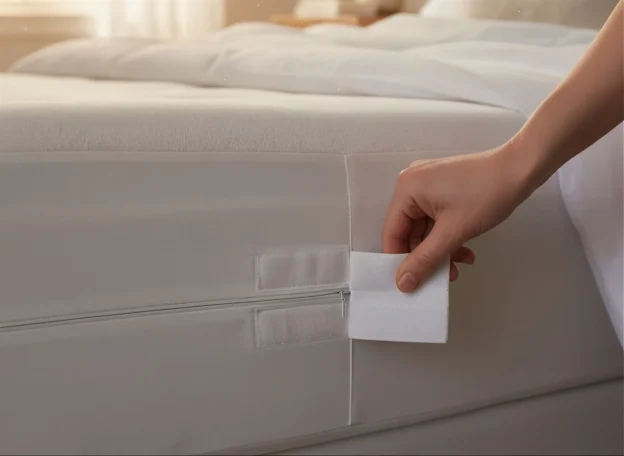
A mattress cover for bed bugs is one of the most practical tools in both preventing and containing an infestation, yet most shoppers don’t fully understand how it works or what separates a genuine bed bug barrier from a standard mattress protector. This guide explains how bed bug mattress encasements function, what features to look for, and how to use one correctly so it actually does its job.
What a Mattress Cover for Bed Bugs Actually Does
A bed bug mattress encasement is an active protection layer, not just a surface cover. Understanding the difference between an encasement and a regular protector matters before you buy.
Encasement vs. standard mattress protector: the key difference
A standard mattress protector covers the top and sides of your mattress, much like a fitted sheet. It guards against spills and dust, but it leaves the bottom and corners exposed. Bed bugs can still enter, hide, and breed inside the mattress undetected.
A bed bug mattress encasement is different. It wraps all six sides of the mattress, top, bottom, and all four sides, and closes with a zipper that runs along the perimeter. Nothing gets in or out. That complete enclosure is what makes it an effective bed bug barrier rather than a cosmetic layer.
For a broader look at your options, see mattress encasement types and how they compare.
How a zippered mattress cover creates a bed bug barrier
The zipper is the most critical component of a bed bug proof mattress cover. Bed bugs are small enough to squeeze through standard zipper gaps, so quality encasements use a micro-zipper with teeth spaced tightly enough to block even newly hatched nymphs.
A zipper alone isn’t enough. The best designs include a locking safety tab or Velcro flap that covers the zipper pull and prevents it from working open under normal use. This closure system does two things: it traps any bed bugs already inside the mattress, cutting off their access to a human host, and it stops new bugs from entering the mattress to establish a harborage.
Pest control professionals consistently recommend fully encasing both the mattress and box spring as part of any integrated bed bug management plan. Encasements starve trapped bugs of a harborage while sealing out new ones migrating through the bed frame.
Why Waterproof Matters in a Bed Bug Mattress Encasement
Waterproofing does more than protect against spills. In a bed bug context, a waterproof membrane seals the fabric itself, closing the microscopic gaps that exist in any woven textile. Even a tightly woven fabric without a membrane can have weave gaps large enough for a bed bug nymph to penetrate. A laminated waterproof layer eliminates that vulnerability entirely.
That dual purpose matters. One bed bug proof mattress encasement handles containment and everyday spill protection at the same time. Spills and biological fluids can also void a mattress manufacturer’s warranty, and a waterproof encasement prevents that too.
The key is choosing a breathable waterproof membrane rather than solid plastic sheeting. Older plastic covers trap heat and create a noisy, uncomfortable sleep surface. Modern encasements use membrane technology that blocks liquid while allowing air to move, so the cover doesn’t sleep hot. For detail on the membrane construction itself, see how waterproof mattress covers work.
How to Choose the Best Mattress Cover for Bed Bug Protection
Not every encasement marketed for bed bugs provides the same level of protection. Evaluate these four criteria when comparing products.
Zipper quality and bite-proof closure
Look for a micro-zipper with tight tooth spacing. The product should explicitly state it blocks bed bugs at all life stages, including nymphs. The zipper should travel smoothly around corners without gaps. A safety tab, zipper lock, or Velcro flap over the pull is essential, without it, the zipper can creep open from the weight of the mattress or repeated movement.
Check key features to look for in a mattress cover for a deeper breakdown of construction details.
Material, breathability, and certifications
A good bed bug mattress encasement uses a breathable, noiseless fabric laminated with a waterproof membrane, not a crinkly vinyl shell. The material should feel soft and not noticeably change the feel of your mattress.
Third-party certifications matter here. GREENGUARD Gold certified mattress protectors have been independently tested for low chemical emissions, relevant because the cover is in direct contact with your sleeping surface every night. GREENGUARD Gold is among the most rigorous standards for products used in sleeping environments.
For shoppers comparing multiple brands, the complete buying guide for bed bug mattress cover encasements walks through each decision point in detail.
How to Properly Install and Maintain Your Bed Bug Mattress Cover
Correct installation is straightforward, but a few steps matter.
Before you encase: Inspect the mattress surface carefully. Look for the telltale signs of an active infestation, small dark stains, shed skins, or live bugs in seams and tufts. Encasing traps what’s inside, so know what you’re working with.
Installing the encasement:
- Slide the encasement over the mattress from one end, as you would a pillowcase.
- Work it evenly across all sides before zipping.
- Zip fully around the entire perimeter, don’t stop short of the end.
- Engage the safety tab or Velcro closure over the zipper pull.
Leave it in place: This is where many people make a mistake. Bed bugs can survive for several months to over a year without feeding under typical indoor conditions. Pest managers advise leaving a mattress encasement sealed and in place for at least 12 months after an infestation is confirmed. Removing it early can release surviving bugs.
Washing guidance: Most quality encasements are machine washable. Follow the label’s temperature instructions, high heat can delaminate the waterproof membrane. In most cases, a warm or cool wash on a gentle cycle preserves both the fabric and the waterproof layer. Tumble dry low or air dry.
One scenario that illustrates why ongoing encasement matters: a traveler returns home with bed bugs unknowingly transported in luggage. If the mattress is already encased, the bugs have nowhere to establish a harborage inside the mattress, which dramatically limits how quickly an infestation can take hold. The encasement works whether or not you currently have a problem.
Don’t Forget the Box Spring: Complete Bed Bug Proof Coverage
A mattress encasement alone isn’t complete protection. Bed bugs hide in box springs as readily as in the mattress itself, the dark interior, fabric lining, and wooden frame provide ideal harborage. Encasing only the mattress leaves half the bed exposed.
A matching box spring encasement closes that gap. Browse box spring covers for complete bed protection to find a cover that pairs with your mattress encasement for full six-sided coverage on both components.
How to Protect Your Mattress from Bed Bugs with SureGuard
SureGuard mattress encasements are built for the dual role of bed bug containment and everyday mattress protection. Each encasement provides full six-sided coverage with a bite-proof micro-zipper and a locking safety tab closure. The 100% waterproof membrane is breathable and noiseless, it won’t change how your mattress feels or sleeps.
SureGuard mattress encasements are GREENGUARD Gold certified, confirming they meet strict chemical emission standards. That matters when the cover is in direct contact with your sleeping surface every night. Every encasement also carries a 10-year warranty, and the brand has earned a 4.6-star average rating from more than 45,000 Amazon reviews.
Whether you’re managing an existing infestation or protecting a new mattress before one starts, SureGuard mattress encasements are available in every standard size. Browse the full range to find the right fit for your bed, and rest assured your mattress is protected.

