
 (209) 878-7320
 info@sureguardmattress.com


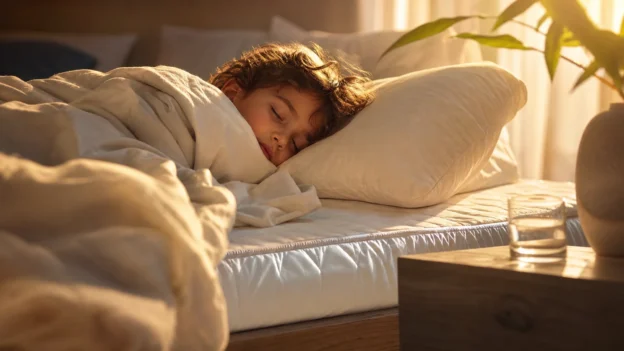
A spilled glass of water, a dog who claimed the bed before you did, a toddler who almost made it through the night, these are the moments that remind you how vulnerable a mattress really is. A quality waterproof mattress cover sits between those everyday accidents and the foam, springs, or latex inside your mattress. It’s one of the most practical purchases you can make for any bed in your home, and understanding how to choose the right one saves you money, frustration, and potentially a voided warranty.
If you’re sorting out terminology first, the guide on differences between mattress protectors and decorative pads clarifies what each product actually does before you buy.
Why a Waterproof Mattress Cover Is Worth It
The real cost of an unprotected mattress
Mattresses aren’t cheap. A mid-range queen runs several hundred dollars; a premium memory foam or hybrid can easily reach four figures. Without a waterproof barrier, a single liquid incident can cause permanent damage, not just a visible stain, but moisture that seeps into the core, breeds mold and mildew, and creates odors that never fully leave.
For families going through potty training, accidents happen repeatedly before a child reliably stays dry overnight. Even one unprotected incident can leave moisture damage, odor, and mold risk inside the mattress core. Multiply that by weeks of training, and an unprotected mattress becomes a serious hygiene concern.
Beyond hygiene, most major mattress manufacturers include stain and liquid damage clauses in their warranty terms. A mattress purchased for hundreds or thousands of dollars can lose its warranty coverage the first time liquid reaches the foam or springs, with no recourse, regardless of how new the mattress is.
How waterproofing actually works
A waterproof mattress cover uses two functional layers working together. The top surface, typically cotton or a soft polyester blend, absorbs liquid on contact so it doesn’t pool or bead. Beneath that sits a waterproof backing membrane that stops any moisture from passing through to the mattress itself.
The quality of that membrane matters. Budget covers often use PVC or thick vinyl, which blocks water but also traps heat and feels stiff. Better covers use a TPU (thermoplastic polyurethane) membrane, thinner, more flexible, and breathable enough to let heat dissipate. You get the protection without the sweaty, plastic-sheet feel that most people associate with older waterproof bedding.
Matching the Right Waterproof Mattress Cover to Your Situation
Families with young children and potty training
For young children, the priority is full-surface liquid protection combined with a surface soft enough to sleep on comfortably. A fitted waterproof mattress cover with a stretch-knit skirt works well here, it stays put through active sleeping and fits snugly enough that it won’t bunch or shift during the night.
A waterproof mattress pad (a thicker, quilted version) adds a little extra cushioning, which some parents find useful for lighter mattresses in children’s beds. Either way, machine washability is non-negotiable: you’ll be washing this regularly, and a cover that degrades after a few cycles isn’t protecting anyone.
Pet owners and accident-prone sleepers
Pets bring specific challenges, claw friction, dander, and urine that is more concentrated and harder to neutralize than a spilled drink. For dog and cat owners, a cover with a TPU membrane and a tightly woven top surface performs better than thin polyester alone.
The fitted design still applies, but look for deeper pocket depth to keep the cover anchored when a large dog shifts around. Explore waterproof solutions designed for pet owners if you want to go deeper on material durability and odor resistance for this use case.
Waterproof mattress cover for incontinence
Incontinence requires the highest level of liquid protection. Volume is higher, frequency can be nightly, and the materials need to withstand repeated washing without the membrane cracking or delaminating. A fitted waterproof mattress cover with a certified TPU membrane is the practical standard here, not a thin pad, and not a decorative topper.
Breathability also matters more in this context, because a non-breathable cover adds discomfort that disrupts sleep, compounding an already difficult situation. For a detailed look at what separates effective options from inadequate ones, see what makes an incontinence mattress protector truly waterproof.
Key Features to Look For in a Waterproof Mattress Protector
Understanding key features to look for in mattress covers helps you cut through marketing language and focus on what genuinely affects performance.
Breathable waterproof mattress cover: why airflow matters
A breathable waterproof mattress cover uses a TPU membrane with microscopic pores large enough to let water vapor (body heat) escape, but too small for liquid water to pass through. The result: protection without heat buildup.
Vinyl and PVC alternatives seal completely, which means heat and moisture accumulate at the surface. That makes sleeping uncomfortable and can actually increase perspiration, creating the wet environment the cover was meant to prevent. If you sleep warm or share a bed, breathability is a functional requirement, not a luxury.
Hypoallergenic materials and certifications
A hypoallergenic waterproof mattress cover does two jobs at once: it blocks liquids and it creates a physical barrier against dust mites. Allergists and sleep health professionals broadly recommend covering mattresses to reduce dust mite exposure, since mites thrive in the warm, humid environment of an unprotected mattress and are a leading trigger for asthma and allergic rhinitis.
Material certification matters here. GREENGUARD Gold certification, the standard carried by SureGuard’s GREENGUARD Gold certified mattress protector, means the product has been independently tested and verified to meet strict chemical emission limits. That’s a concrete, verifiable signal for families with young children or anyone with chemical sensitivities.
A cotton-top surface adds to the hypoallergenic case: it’s naturally breathable, less likely to harbor irritants, and gentler against skin than synthetic alternatives.
Machine washability is the practical complement to all of this. A cover that can be washed in a standard home machine, and maintains its waterproof integrity wash after wash, is a real-world requirement, not a bonus feature. Check that the cover is rated for machine washing and that the warranty covers the membrane through regular laundering cycles.
Sizing Guide: Queen, King, and Beyond
Fit directly affects performance. A waterproof mattress cover queen size needs to match not just the 60″ × 80″ surface but also the mattress depth, standard, deep, and extra-deep mattresses all require different pocket depths. Most modern mattresses run 10–15 inches deep; pillow-top and hybrid models can reach 18 inches or more. A too-shallow skirt will pop off at the corners, defeating the protection entirely.
For a waterproof mattress cover king (76″ × 80″), corner anchoring is even more critical given the larger surface area. Look for elasticized skirts that run fully around the perimeter, not just at the corners.
Twin XL (38″ × 80″) is the standard for college dorm beds and is worth confirming before buying for a student, regular Twin covers are 5 inches shorter and won’t fit properly. Whichever size you choose, a secure fit is what keeps the cover in place through the night.
Waterproof Mattress Cover and Your Mattress Warranty
A mattress warranty protects your investment, but that protection typically disappears the moment liquid reaches the mattress. Stain and liquid damage clauses are standard across the industry, and manufacturers apply them regardless of how minor the incident seems. A single coffee spill visible on the fabric can be enough to void coverage on a mattress that cost over a thousand dollars.
A waterproof mattress cover changes that equation. By preventing any liquid from reaching the mattress surface, it keeps the warranty conditions intact for the life of your mattress. SureGuard backs its own protectors with a 10-year warranty, which aligns the cover’s lifespan with the typical mattress warranty period, giving you continuous protection without having to replace the cover mid-mattress-life.
For a fuller picture of how to evaluate your options before buying, how to choose the right mattress protector walks through the decision factors in more detail.
Value vs. Premium: What You Actually Need to Spend
Budget waterproof covers, typically thin polyester with PVC or vinyl backing, do stop liquid in the short term. But they tend to run hot, feel noisy or stiff, and degrade noticeably after repeated washing. PVC off-gassing is also a legitimate concern if the cover carries no chemical safety certification.
Premium covers use a cotton or cotton-blend top layer, a TPU membrane, and carry independent certifications like GREENGUARD Gold. They’re machine washable without degrading, breathable enough for comfortable year-round use, and built to last through years of regular laundering. The price difference between budget and premium is real, but so is the performance gap, especially for high-use scenarios like incontinence, pet accidents, or nightly use by a child in potty training.
SureGuard sits in the premium tier at accessible pricing, with over 45,000 customer reviews on Amazon averaging 4.6 out of 5 stars, a track record built since 2013 across millions of households. That sustained rating reflects consistent real-world performance, not a launch-period spike. For best waterproof mattress protector comparisons and ratings, you can see how different options stack up across the features that actually matter.
If you’re ready to protect your mattress, SureGuard’s waterproof mattress protector is a practical starting point, GREENGUARD Gold certified, backed by a 10-year warranty, and rated 4.6 stars by tens of thousands of verified buyers. Rest assured with SureGuard.

