
 (209) 878-7320
 info@sureguardmattress.com


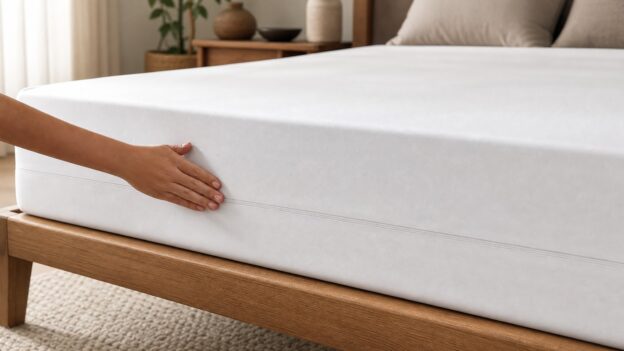
A king size bed is a big investment, but the foundation beneath it usually gets far less attention than the mattress. That’s a mistake. It leaves one of the most critical structural parts of your sleep system open to damage that can wreck both your sleep and your warranty coverage. The right box spring cover king size encasement keeps the whole system protected from spills, pests, and allergens for years.
Why a Box Spring Cover for King Beds Is Essential
The foundation carries every pound of pressure your mattress puts on it, but its fabric exterior soaks up household hazards like a sponge. Most mattress manufacturers will void a warranty if the foundation shows staining, pest infestation, or structural damage from moisture. Your mattress protector alone can’t shield this separate component from liquid damage or the biological contaminants that wick upward through the bed frame.
Protecting Your Warranty Investment
Manufacturers write strict warranty terms around foundational integrity because a compromised base drags down mattress performance too. A single spill that soaks through to the wooden frame creates mold risk and structural rot, and no amount of surface cleaning reverses that. Protect the base properly and you keep the warranty valid long after delivery day.
Blocking Allergens and Pests at the Base
Bed bugs and dust mites often colonize the porous fabric of an unprotected box spring before moving up to the mattress surface. The dark, undisturbed space under the bed makes ideal breeding ground, and infestations there tend to go unnoticed until they’re severe. Encase the foundation and you remove that harbor point, forcing pests into exposed areas where they can’t thrive. Research into dust mite cover effectiveness confirms that sealing all bedding components cuts allergen loads in the bedroom significantly.
Choosing the Right King Size Box Spring Encasement
Fit is what makes protective bedding actually work on a larger foundation. A loose cover bunches and tears. An undersized one won’t seal fully, and contaminants get in through the gaps.
Standard vs. California King Dimensions
Check whether your foundation is a standard king or a California king before you order anything. Standard king foundations run 76 inches wide by 80 inches long. California king foundations run 72 inches wide by 84 inches long. Mixing up these two sizes is the single most common reason for returns and for protection that doesn’t actually seal, since a four-inch difference in either direction stops the zipper from closing and the corners from lining up.
Split vs Single-Piece
Most King and Cal King beds have a split box spring setup, made up of two smaller box springs, as opposed to one large single box spring. Check which foundation you have before purchasing your box spring cover. Split King size is two box springs, each measuring 38 x 80 inches; Split Cal King is 36 x 84 inches.
Depth and Pocket Fit Requirements
Foundation depths swing widely between manufacturers, from low-profile five-inch models to tall nine-inch ones. Measure the exact height of your box spring, padding and upholstery included, so the encasement pocket fits the full thickness without straining the seams. Our split king box spring encasements are made to fit between 8 and 11 inches deep, so you don’t have to guess.
Zipper Quality and Bug-Proof Seals
Slip-on covers are convenient, but they don’t fully block microscopic allergens or bed bugs. A secure zipper closure with locking tabs isn’t optional if you want real defense, because it’s what creates a continuous barrier pests can’t get through. If you’re trying to beat bed bugs effectively, the zipper mechanism matters more than fabric weight.
Waterproof vs. Breathable Box Spring Covers
Not every household needs the same level of liquid protection on its foundation. Knowing your own risk factors helps you choose between a fully waterproof barrier and a breathable, hypoallergenic fabric, without paying for features you don’t need.
When Waterproofing Is Necessary
Waterproof protection matters for households with pets, kids, or incontinence concerns, since it stops liquid from reaching the foundation frame. Accidents happen at any age, and urine or a spilled drink can permanently stain fabric and warp wooden slats within hours. For a full breakdown, see our guide to waterproof box spring protection to match the cover to your household.
Health Certifications and Material Safety
Chemical emissions from bedding products can affect indoor air quality just as much as outside pollutants do. GREENGUARD Gold certification means independent testing has verified low chemical emissions, which matters for anyone sensitive to what’s in their bedroom air. SureGuard has protected millions of beds since 2013, and its products carry a 10-year warranty along with GREENGUARD Gold certification. Over 45,000 customer reviews across SureGuard products average 4.6 out of 5 stars.
Installation Tips for Heavy King Foundations
King size foundations are bulky and awkward, so installation is a two-person job at minimum. Try to force an encasement onto a heavy foundation alone and you risk tearing the fabric, or your back.
Lift the foundation vertically against a wall or sturdy surface instead of working horizontally on the floor. One person holds it steady while the other slides the encasement down from the top, lining up corners before pulling the fabric taut. Coordinate your king size mattress protector selection at the same time, so protection is consistent across the whole sleep surface.
Zip the closure slowly and check that no fabric gets caught in the teeth. Pinched material creates weak points that fail early. Lock the zipper tab once it’s fully closed to keep the seal intact against pests and allergens.
Care and Maintenance for Longevity
Proper laundering extends the life of a protective encasement well past typical bedding cycles. Wash it in cool water with mild detergent. Skip bleach and fabric softeners, since both degrade waterproof membranes and elastic over time. Tumble dry on low heat only; high temperatures can melt adhesive layers and wreck zipper function.
A well-made cover backed by a decade-long warranty holds up through repeated washing if you follow the care instructions. Check zippers and seams at each wash so you catch minor wear before it turns into a breach.
Common Mistakes When Buying King Box Spring Covers
Assuming all king sizes are the same leads to fit failures that leave part of the foundation exposed. Thin vinyl alternatives look cheaper at first, but they crack and tear fast under the stress of installation and daily use, which means false security against pests and spills. Premium, certified protection costs more up front and saves you a foundation replacement, and the health issues that come with a bad barrier. A box spring cover doesn’t replace regular cleaning or pest inspection, but it’s the base layer that makes those efforts actually work.

