
 (209) 878-7320
 info@sureguardmattress.com


Packing for college involves countless checklists, but bedding protection often gets overlooked until after move-in day. A standard twin protector simply will not fit the extra-long mattresses found in most dormitories and university housing. You need a dedicated Twin XL mattress protector for full coverage against spills, allergens, and wear during those first semesters. Getting this detail right before you arrive prevents damage fees and gives you a healthier sleep environment from night one.
Why a Twin XL Mattress Protector Is Essential for Dorm Beds
Dorm mattresses typically measure 39 inches wide by 80 inches long. That’s Twin XL territory, not standard Twin, and a 75-inch Twin protector leaves five inches of mattress exposed at the foot of the bed. That gap is a direct path for liquids and allergens to get past your protection entirely.
Across all SureGuard products, more than 45,000 customer reviews average 4.6 out of 5 stars. Fit and waterproof performance are the two things reviewers mention most, and both depend on buyers picking the right size to begin with.
The Risk of Using Standard Twin Bedding on Extra-Long Mattresses
A regular twin cover stops short at the foot of the bed, leaving the bottom edge exposed. Students sit at the end of the bed or drag luggage across that exposed section during move-in, so dirt and moisture land straight on the mattress fabric. If you’re shopping for a standard bed at home instead, our Twin size mattress protector guidance covers the different dimensions non-dorm furniture needs.
The wrong size also shifts constantly as you sleep. That movement exposes more surface area over time and creates friction that wears out both the protector and the mattress ticking early.
Dorm-Specific Challenges That Demand Waterproof Protection
Shared laundry facilities and high-turnover housing create contamination risks home bedrooms rarely face. Previous occupants may have left dust mites, pet dander, or other residue deep in the mattress fibers that standard cleaning won’t touch. A waterproof Twin XL protector is a shield between you and whatever accumulated in that bed before you arrived.
Spills happen often in dorm rooms, where studying, eating, and socializing all share the same small space. Coffee, energy drinks, and late-night snacks are constant threats to an unprotected mattress, and residence life policies typically charge students real money for stained beds. Installing protection the day you arrive is the most reliable way to avoid those charges and keep the room sanitary all semester.
Twin XL vs Twin Mattress Protector: Understanding the Size Difference
The five-inch length difference between Twin and Twin XL isn’t a minor variance, it’s a functional failure point. A waterproof barrier has to fully encapsulate the sleep surface, with no gaps and no slippage, or liquid gets through and the allergen seal breaks down. When a protector is too short, it can’t anchor under the mattress corners, and that compromises the whole waterproof seal.
Exact Dimensions and Fit Requirements
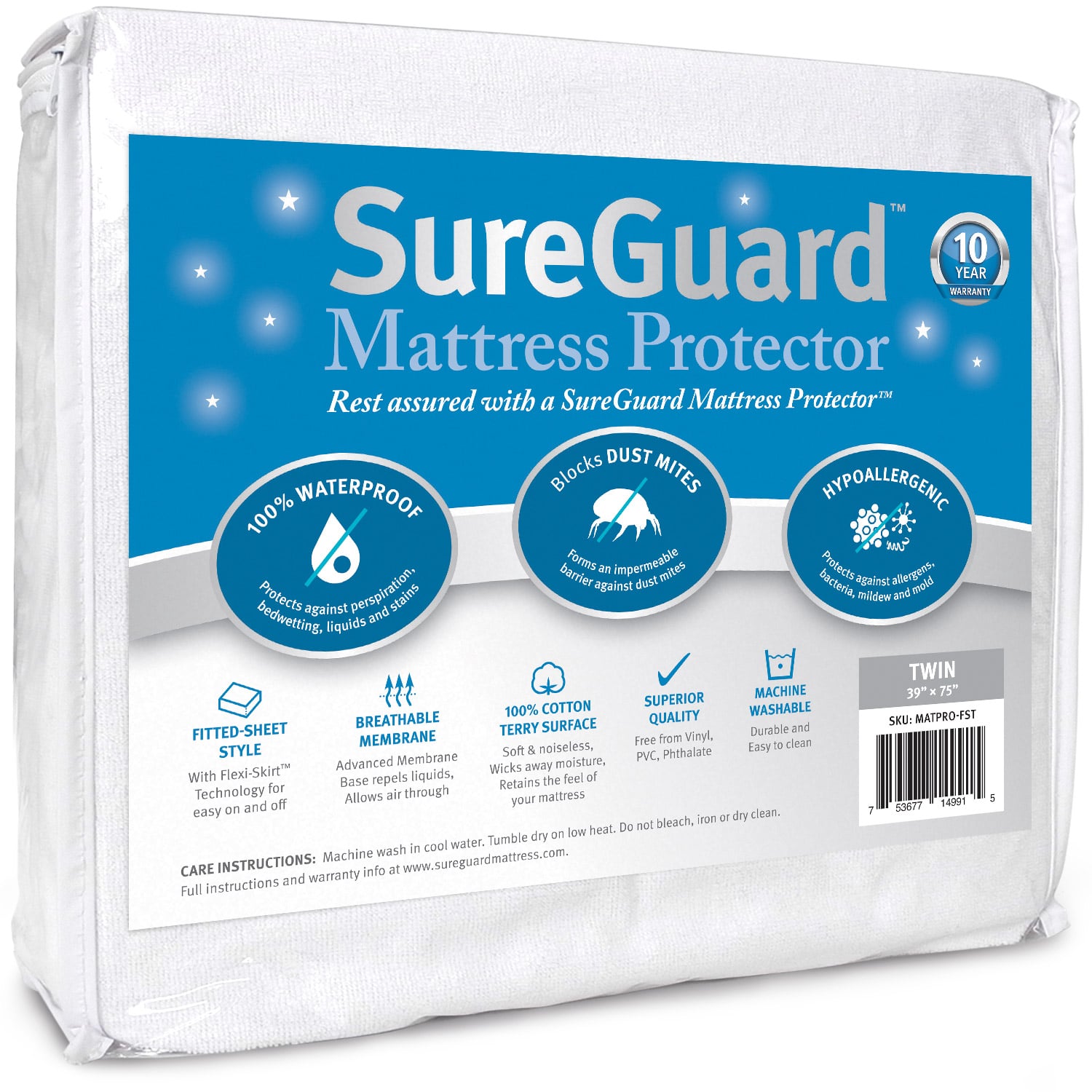
Standard twin protectors measure about 39 by 75 inches. Twin XL versions extend to 80 inches in length. Both share the same width, so the difference comes down entirely to that extra five inches dormitory beds need. Measure your specific mattress before you buy, and you skip the guesswork on which variant to order.
Manufacturers build these protectors to precise tolerances for institutional bedding dimensions. A product engineered for this exact size keeps the waterproof membrane in place even after repeated washing and drying in commercial machines.
Why Proper Fit Prevents Slippage and Exposure
An ill-fitting protector bunches up or slides off when you move in your sleep, leaving ridges and exposing the mattress underneath. That defeats the point of having protection at all, since fluids follow gravity straight into the newly exposed area. You deserve to sleep through the night without adjusting bedding at 2 a.m.
Properly sized protectors stay taut because they match the mattress dimensions exactly. That keeps the waterproof barrier in continuous contact with the sleep surface, so protection holds regardless of how much you toss and turn.
Key Features to Look for in a Waterproof Twin XL Protector
Not all waterproof barriers perform equally in shared living, where chemical sensitivity and comfort both matter. Look for certifications and material specifics that address health alongside basic liquid protection. Independent testing is what verifies a product meets real standards for emissions and durability without sacrificing breathability.
Certified Safety and Hypoallergenic Materials
SureGuard Twin XL protectors come with a 10-year quality guarantee and GREENGUARD Gold certification, which independent testing ties to low chemical emissions and durability over time. That matters in small dorm rooms with limited ventilation, where off-gassing from lower-quality materials can build up quickly. Parents and students get peace of mind knowing the product meets standards set for sensitive environments like schools and healthcare facilities.
Hypoallergenic construction blocks common triggers, including dust mites, mold spores, and pet dander, from reaching the sleep surface. Our detailed breakdown of hypoallergenic cover benefits explains how this barrier technology supports respiratory health in shared housing.
Breathable Waterproof Barriers for Hot Sleepers
Traditional plastic-backed protectors trap heat and make noise that disrupts sleep in temperature-controlled dorms. Modern waterproof membranes let air circulate while still blocking liquids, so you skip the clammy feeling older vinyl designs are known for. That breathability helps regulate sleep temperature during warm orientation weeks and stuffy winter months alike.
Quiet fabrics skip the crinkling sound that disturbs roommates and signals cheap construction. Advanced manufacturing bonds the waterproof layer to the top surface silently, so the protector feels like a regular sheet.
Deep Pocket Design for Thick Dorm Mattresses
Institutional mattresses vary in thickness depending on age and manufacturer. A deep pocket design handles those variations while keeping secure corner anchoring that prevents exposure. Elasticized skirts stretch to fit thicker profiles without straining seams or losing waterproof coverage at the edges.
That flexibility means the protector fits whether your assigned bed has a slim institutional pad or a newer pillow-top model. One design covers the variable, so it’s one less thing on your packing list.
SureGuard Twin XL Mattress Protector: Designed for College Essentials
Purpose-built solutions handle student housing better than generic alternatives designed for residential bedrooms. The Twin XL SureGuard Mattress Protector combines certified safety, waterproofing, and durable construction at around USD 35.97. Across all SureGuard products, more than 45,000 customer reviews back that performance with a 4.6 out of 5 average.

Product Specifications and Warranty Coverage
Every unit comes with a 10-year quality guarantee, well past a typical four-year stay. That kind of backing reflects confidence in the materials and manufacturing, and it gives you financial protection if something fails.
The pure cotton top surface feels familiar against skin while the membrane underneath handles liquid defense invisibly. You get comfort and protection without trading one for the other.
Smooth vs Terry Top Options for Personal Comfort
Texture preference varies a lot among people who spend eight hours a night against the protector surface. The Smooth Twin XL SureGuard Mattress Protector, at around USD 35.97, has a flat, cool finish suited to hot sleepers or anyone sensitive to textured fabric. It keeps the same waterproof and hypoallergenic properties, just with a different feel underhand.
Terry cloth tops absorb minor moisture quickly and give a more traditional feel. Both versions share the same core protection technology and certification, so the choice comes down to comfort, not performance.
How to Care for Your Dorm Mattress Cover Throughout the Semester
Communal laundry machines run hotter and more aggressively than home units, so the protector needs specific care to keep its waterproof seal intact. Wash it separately from heavy items like jeans or towels, which can abrade the membrane during the spin cycle. Follow these steps and the protector should last, and stay under warranty, through your college years.
Skip the bleach and fabric softener, since both degrade waterproof coatings over time. Tumble dry on low only; high heat can melt or delaminate the barrier layer for good. Our comprehensive waterproof bed cover care guide covers more laundering specifics for institutional facilities.
Check the protector now and then. Catching a small tear or a seam coming apart early stops a liquid leak before it happens, and keeps your protection guarantee valid.
Building a Complete Healthy Sleep Environment in Shared Housing
Mattress protection is one piece of a dorm health strategy, not the whole thing. Pair your protector with an encasement and you get multiple layers against bed bugs and allergens that move through shared walls and furniture. Research on dust mite cover effectiveness shows that full enclosure cuts allergen exposure by more than surface-only protection does.
Pairing Protectors with Encasements for Total Defense
Encasements zip around the whole mattress, sides and bottom included, sealing off entry points a fitted protector can’t reach. That six-sided defense matters in multi-unit housing, where pests migrate regardless of how clean your own space is. Run both together and you get redundant barriers protecting your health and your deposit at once.
Install the encasement first as a permanent base layer, then add the removable protector on top for easy washing. That way you can wash the top layer often without disturbing the pest-proof seal underneath.
Allergen Management Beyond the Mattress Surface
Pillows build up significant allergen loads since they sit against your face for hours every night. Pillow protection complements mattress defense by covering that second exposure point, which affects breathing directly. Partial protection leaves gaps, and gaps undermine the whole system.
Sleep quality and respiratory health both tie closely to academic performance in a demanding college environment. Complete bedding protection is cheap insurance against the illness that costs you the most during exam periods.
Choosing the Right Twin XL Bedding Protection Before Move-In Day
Time your purchase so protection arrives before you set foot in the dorm room. Wait until move-in weekend and you risk shipping delays that leave the mattress exposed during the most chaotic part of the transition. Order early, and you can check sizing and inspect the product without being rushed.
Weigh verified certifications and warranty terms over the lowest price. Cheap alternatives often fail within months, and replacing them, or covering a damage fee, usually costs more than buying certified quality the first time. Rest assured with SureGuard: the investment protects your health and your security deposit through graduation and beyond.
Frequently Asked Questions
Which waterproof mattress protector is the best for dorm use?
The best dorm protector combines GREENGUARD Gold certification for low emissions with verified waterproof performance and proper Twin XL sizing. SureGuard protectors meet these criteria with a 10-year warranty and 4.6-star average rating across thousands of reviews. Prioritize certified safety and exact fit over brand recognition or lowest price.
Can I put a twin mattress topper on a twin XL bed?
A standard twin topper will be five inches too short for a Twin XL mattress, leaving the foot area uncovered and prone to shifting. This gap creates discomfort and exposes the mattress edge to damage and allergens. Purchase a topper specifically sized for Twin XL dimensions to ensure full coverage and stable positioning.
Does a Twin XL mattress protector actually help with dust mites?
Yes, properly fitted waterproof protectors create an impermeable barrier that blocks dust mites from colonizing the mattress interior. The hypoallergenic membrane prevents allergen accumulation while allowing breathable airflow for comfort. Regular washing removes surface allergens that accumulate above the protective barrier.
How do I wash a waterproof protector in shared laundry?
Wash separately on gentle cycles using mild detergent without bleach or fabric softener to preserve the waterproof membrane. Tumble dry on low heat only, as high temperatures can permanently damage the barrier layer. Inspect after each wash for signs of wear and address minor issues promptly to maintain protection integrity.

