
 (209) 878-7320
 info@sureguardmattress.com


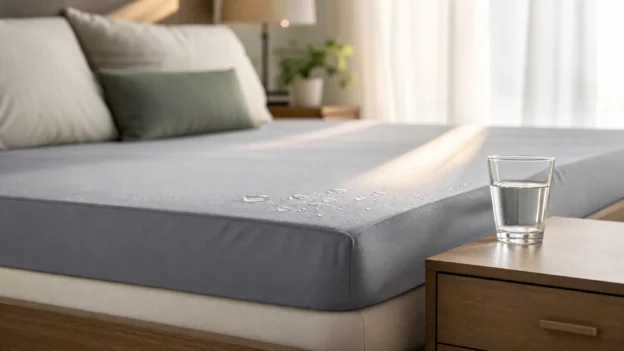
A waterproof mattress pad is one of the most practical investments you can make for your bed, but most buyers choose one based on price alone, without understanding what separates genuine protection from a thin plastic layer that crinkles and cracks within months. This guide changes that. Whether you’re protecting a child’s bed, managing incontinence, or just trying to keep allergens out of your sleep environment, the right pad does far more than catch spills. SureGuard has been selling mattress protectors since 2013 and has earned over 45,000 reviews across products on Amazon, averaging 4.6 out of 5 stars.
Why a Waterproof Mattress Pad Is a Health Decision, Not Just a Spill Fix
Liquid barriers are only one layer of the story
Spill protection is the baseline, it’s what every waterproof mattress pad promises. But a quality pad also creates a physical barrier between your body and the mattress itself, blocking the biological buildup that accumulates inside unprotected mattresses over years of use. Sweat, skin oils, and moisture work into unprotected foam and fabric, creating conditions where mold and bacteria thrive.
Dust mites, allergens, and bed bugs: the invisible threats inside your mattress
Dust mites feed on shed skin cells and favor the warm, humid environment inside a mattress. An unprotected mattress can harbor millions of them over time, making it a significant source of indoor allergens. Allergists routinely recommend allergen-barrier covers as a first-line environmental control for patients with dust mite allergies or asthma. A waterproof mattress pad with a tightly woven, certified surface adds that barrier without sacrificing comfort. It won’t replace a full encasement for bed bug protection, but it blocks the surface-level exposure that matters most night after night.
Waterproof Mattress Pad vs. Encasement: Which Protection Do You Actually Need?
What a waterproof mattress pad covers (and what it doesn’t)
A waterproof mattress pad sits on top of your mattress and covers the sleep surface, the top and sides to the edge, secured with a fitted skirt. It protects against spills, sweat, allergens, and dust mites from above. What it doesn’t do is seal the underside or the full perimeter of the mattress. Bed bugs can still enter or exit through the bottom and sides of an unencased mattress.
For most households, families with young kids, pet owners, allergy sufferers without a confirmed infestation, a high-quality pad delivers the protection you actually need. It’s easier to wash, more comfortable to sleep on, and adds a meaningful allergen barrier to your nightly environment.
When to choose a full mattress encasement instead
If you’ve had a confirmed bed bug exposure, or if a doctor has recommended full allergen encasement for severe asthma or dust mite allergy, a six-sided mattress encasement is the right choice. It seals every surface of the mattress, denying bed bugs any entry or exit point and blocking allergens from all directions. For readers on that path, the waterproof mattress pad vs encasement comparison goes deeper on the tradeoffs. For everyone else, a premium pad is the better everyday solution.
How to Choose the Best Waterproof Mattress Pad: Key Features to Evaluate
Knowing what to look for separates a lasting investment from a disposable one. A few features matter most when evaluating options.
Surface material: why a cotton top beats synthetic alternatives
A pure cotton surface breathes. Synthetic alternatives, polyester blends, terry cloth composites, trap heat and can feel sticky against skin, especially for warm sleepers or children. A waterproof mattress pad with cotton top construction keeps the sleep surface soft and temperature-neutral while the waterproof membrane does its work underneath. Cotton also holds up through repeated washing without pilling or degrading the way cheaper fabrics do.
GREENGUARD Gold certification and what it signals about safety
GREENGUARD Gold certification, administered by UL, sets stricter chemical emission limits than standard GREENGUARD, specifically accounting for the more sensitive environments of children and schools. For a mattress pad, it means the product has been independently tested and confirmed to have low VOC (volatile organic compound) emissions. That matters because you and your family spend eight hours a night with your face close to this surface. SureGuard’s flagship protector carries GREENGUARD Gold certification, which is one reason it’s a credible benchmark when evaluating other options. When a pad doesn’t list its certifications, that absence is itself a data point.
Warranty length as a quality proxy
A 10-year warranty reflects a manufacturer’s confidence that the waterproof membrane won’t crack, delaminate, or lose effectiveness within a normal product lifecycle. Budget pads rarely offer more than a one-year warranty, if any, because thin polyurethane layers simply don’t hold up. SureGuard backs its protectors with a 10-year warranty. When comparing options, treat warranty length as a proxy for how long the waterproofing will actually last.
Matching the Right Waterproof Mattress Pad to Your Situation
Waterproof mattress pad for kids and potty training
A waterproof mattress pad for kids needs to survive frequent washing without the waterproof layer degrading. Look for machine-washable construction, a secure fitted skirt that doesn’t shift during active sleep, and GREENGUARD Gold certification, children’s closer contact with sleep surfaces makes low-chemical materials more important, not less. A cotton top surface adds comfort for sensitive skin, and a durable membrane means you won’t be replacing the pad halfway through potty training.
Waterproof mattress pad for incontinence: adult care needs
A waterproof mattress pad for incontinence has to handle larger liquid volumes reliably and repeatedly. The membrane must be fully waterproof, not just water-resistant, and the surface should wick moisture away from skin to reduce discomfort. Odor containment matters too: a quality pad prevents liquid from reaching the mattress, which is where persistent odor sets in. Look for a product with a generous fitted depth to stay secure through the night, and confirm it’s rated for heavy-duty, frequent washing cycles.
Hypoallergenic waterproof mattress pad for allergy and asthma sufferers
A hypoallergenic waterproof mattress pad combines a tightly woven surface barrier with certified, low-chemical materials, so it blocks dust mites and allergens while introducing no new irritants of its own. GREENGUARD Gold certification is the relevant benchmark here. For allergy and asthma sufferers, the pad works alongside pillow protectors and regular washing to keep the sleep environment as allergen-controlled as possible. This is the practical implementation of what allergists recommend: physical barrier protection as environmental control.
Affordable Waterproof Mattress Pad vs. Premium: What You’re Actually Paying For
Budget waterproof mattress pads typically use a thin polyurethane film bonded to a basic fabric backing. That layer cracks with washing, delaminates within months, and often produces the crinkling noise that makes cheap pads uncomfortable to sleep on. A one-year warranty, or no warranty at all, is the market’s honest signal about expected lifespan.
Premium options cost more upfront because they use thicker, more durable membranes, certified surface materials, and construction that holds up through years of washing. The warranty follows the quality: a 10-year guarantee means the manufacturer has designed for longevity, not just the first few months. SureGuard sits in the value-plus-quality tier, not budget-priced, but a fraction of what a mattress replacement costs when an unprotected mattress is damaged or allergen-saturated beyond recovery. For an affordable waterproof mattress pad that doesn’t trade quality for price, spending a bit more once beats replacing a cheap pad annually.
Caring for Your Waterproof Mattress Pad to Make It Last
Most quality waterproof mattress pads are machine washable – cool/warm water, gentle cycle, tumble dry low. Following those instructions matters because high heat is the primary cause of membrane failure. A hot dryer cycle that feels harmless can delaminate the waterproof layer, ending the pad’s protection well before its warranty period.
Washing every one to two months, or immediately after any spill or accident, keeps the surface hygienic and the membrane intact. Many mattress manufacturers also require a mattress protector to keep their own warranty valid, so maintaining your pad properly protects two investments at once. For a full step-by-step walkthrough, the waterproof mattress pad washing guide covers every care scenario in detail.
Ready to protect your mattress the right way? Browse SureGuard Mattress Protectors to find the right size and rest assured you’re covered.

