
 (209) 878-7320
 info@sureguardmattress.com


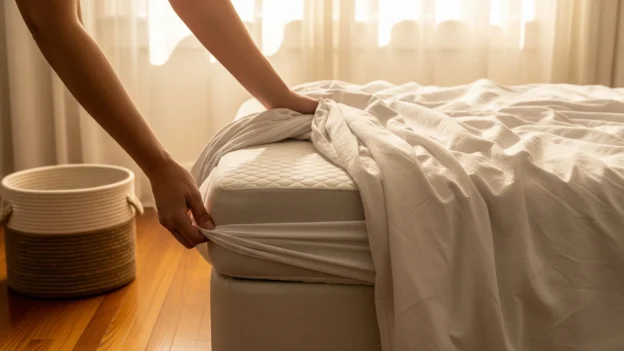
Nighttime accidents are a normal part of potty training, not a parenting failure. Most children master daytime dryness well before their bladder reliably holds through the night, so wet beds are simply part of the process. The right mattress protector for potty training turns a stressful 2 a.m. strip-and-change into a quick, calm routine. Here’s exactly what parents need to know before buying one.
Why a Waterproof Mattress Cover for Kids Is Non-Negotiable
A mattress is one of the larger purchases in a child’s room, a quality kids’ mattress can cost several hundred dollars and is expected to last years. One unprotected accident can soak through to the foam or springs, leaving stains, odors, and mold that no amount of cleaning fully reverses.
A waterproof mattress cover for kids creates a sealed barrier between accidents and the mattress itself. Strip the bedding, toss it in the wash, and the mattress underneath is completely dry. No damage, no smell, no replacing a mattress before its time.
This is a solved problem. The right product makes potty training tidier and less stressful, so parents can focus on encouragement rather than laundry logistics.
What to Look for in an Accident-Proof Mattress Protector
Not all mattress protectors are built for the demands of potty training. Four criteria matter most: a true waterproof barrier, machine-washable construction, a comfortable surface, and a secure fit.
True Waterproofing vs. Water-Resistant: Know the Difference
“Water-resistant” and “waterproof” are not the same thing, and the difference matters a great deal at night.
Water-resistant coatings repel light splashes. Under the sustained pressure of a nighttime accident, they fail. Those surface coatings also wear off after repeated washing, so the protection degrades over time.
A 100% waterproof barrier, typically a bonded thermoplastic polyurethane (TPU) membrane laminated to the fabric, doesn’t rely on a coating. The membrane itself blocks liquid, and because it’s bonded into the fabric structure, it doesn’t wash away. This is what an accident-proof mattress protector actually needs to deliver.
For parents choosing a child mattress protector, this is the single most important spec to check.
Washable and Durable: The Features That Matter Most
Potty training means frequent washing. A protector that loses its waterproof integrity after a dozen wash cycles is not a practical solution.
Look for:
- Machine-washable fabric, warm water, regular cycle, tumble dry low
- A soft, breathable surface, cotton terry is the most common and keeps the sleeping surface comfortable without trapping heat
- GREENGUARD Gold certification, an independent standard that confirms materials have been tested for chemical emissions, making the protector appropriate for a child’s sleep environment
- Hypoallergenic construction, important for children with sensitive skin or allergies
A breathable design matters because a hot, crinkly plastic sheet disturbs sleep. Children who sleep uncomfortably are harder to keep in bed, which makes nighttime training harder. A cotton terry surface feels like normal bedding, the child shouldn’t notice it’s there.
To see how waterproof mattress protectors compare across these criteria, a side-by-side review can help narrow the choice before buying.
Choosing the Right Size Child Mattress Protector
Size is straightforward, but there’s a transition moment parents often miss.
Crib/toddler bed: If your child is still in a crib, start with a crib-size mattress protector. Crib mattresses have non-standard dimensions, so a fitted protector designed specifically for that size will stay put and cover the corners correctly.
Twin bed: When a child moves to a “big kid” bed, which often happens around the same time as potty training, or partway through, a twin is the most common next size. A waterproof twin mattress protector for potty training with a deep-pocket elasticized skirt keeps the protector anchored through active, wriggly sleep without bunching or riding up.
A child who transitions from crib to twin while still in the potty-training phase will need protectors in both sizes at different points. Choosing a brand that offers both in the same product line saves time and keeps quality consistent.
How to Use and Wash a Potty Training Mattress Cover
The setup is simple and the routine becomes second nature quickly.
How to layer the bed:
- Place the mattress protector directly on the bare mattress, fitted snugly at all corners.
- Layer the fitted sheet on top.
- Add any additional blankets or covers as normal.
The protector goes under the sheet, it protects the mattress, not the sheet.
After an accident:
- Strip the fitted sheet and the protector together.
- Machine wash in warm water on a regular cycle.
- Tumble dry on low heat, high heat can damage the waterproof membrane over time.
- The mattress underneath is dry and clean. Remake the bed.
The most practical tip: keep a second washable potty training mattress cover on hand. While one is in the wash, the second goes straight onto the bed. The mattress is never left unprotected, and there’s no waiting for the dryer at 3 a.m.
A quality waterproof membrane maintains its barrier through hundreds of wash cycles when cared for correctly. Budget alternatives with surface coatings degrade much faster, often within weeks of regular washing.
How Long Will You Need a Mattress Protector for Potty Training?
Potty training is rarely a single event with a clear finish line. Pediatric guidance consistently notes that nighttime bladder control typically lags daytime dryness by several months, sometimes longer. Occasional accidents can continue well into the school years for some children, this is normal developmental variation, not a setback.
Planning for a longer runway is simply realistic. Keep the protector on through the full potty-training period and then reassess.
Beyond potty training, there are strong reasons to keep a mattress protector on year-round:
- Allergen defense, a sealed mattress surface resists dust mites, a common childhood allergen
- Spill protection, breakfast in bed, water bottles, sick days
- Mattress warranty preservation, many mattress manufacturers void their warranty if the mattress shows stain damage; a protector keeps the warranty intact
A mattress protector starts as a potty-training tool and quickly becomes standard household maintenance. The cost per year of protection is low; the cost of an unprotected mattress that needs replacing is not.
Why SureGuard Is Trusted by Parents for Waterproof Mattress Protection
SureGuard has been manufacturing mattress protectors since 2013. Over more than a decade, the product line has been refined around the specific demands parents place on it: repeated washing, active sleepers, and genuine waterproofing rather than marketing language.
Key specs for the SureGuard child mattress protector:
- 100% waterproof, bonded TPU membrane, not a surface coating
- Cotton terry surface, soft, breathable, quiet
- GREENGUARD Gold certified, independently tested for chemical emissions; safe for children’s sleep environments
- Hypoallergenic, suitable for sensitive skin
- 10-year warranty, one of the longest in the category, reflecting confidence in durability through thousands of wash cycles
- 4.6-star average from over 45,000 reviews and ratings on Amazon, a large, real-world signal of consistent performance across years of parent use
That review volume and warranty length mean something together. A 10-year warranty on a product that sees frequent washing is only credible if the waterproof barrier actually holds. The review base confirms it does.
If your child is still in a crib, start with the crib-size protector. If they’ve moved, or are about to move, to a twin, that’s the product to reach for. Either way, the mattress is covered, the routine is manageable, and one less thing needs to go wrong at 2 a.m.

